People of the Wild Boar
THE YAWANAWA
A LIVING LINEAGE
What has been
carried for generations remains alive today.

For generations, the Yawanawa have carried a profound body of knowledge rooted in the forest, plant medicines, prayer, song, ceremony, and relationship with the spiritual world.
These traditions have endured through periods of profound hardship, outside pressure, and attempts to suppress their culture and ways of life. Yet the knowledge remained, protected and carried forward by elders, spiritual leaders, families, and generations committed to keeping it alive.
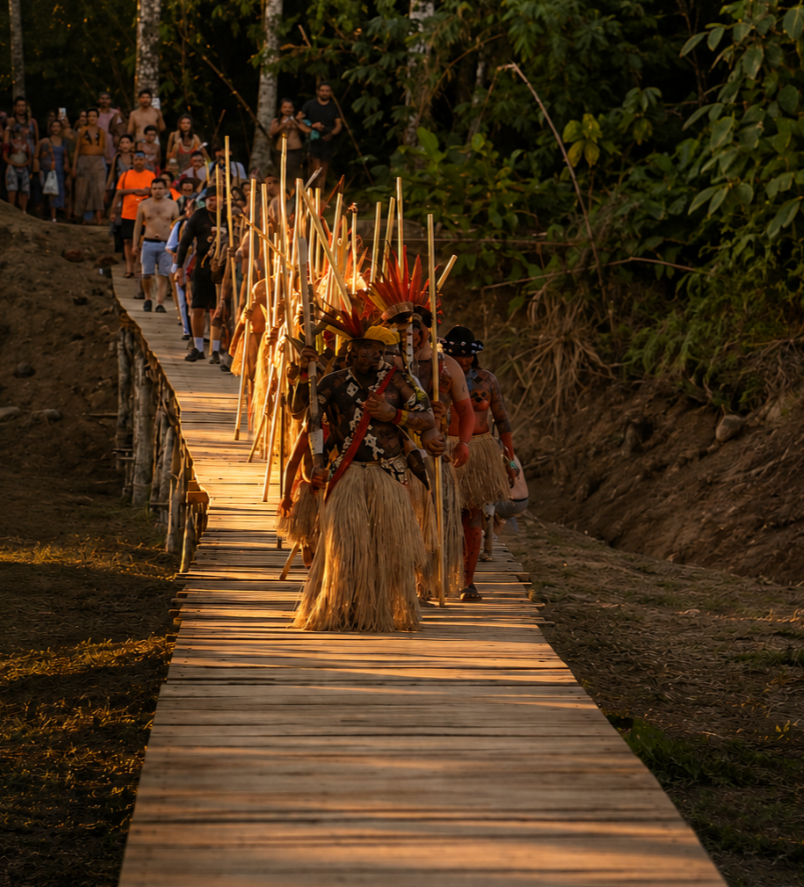
Today, Yawanawa songs, prayers, ceremonies, art and spiritual traditions are shared far beyond their territory, while remaining rooted in the people, land lineage from which they come.

A spiritual tradition rooted in discipline, devotion and generations of knowledge.

THE PEOPLE
A life inseparable from the land.
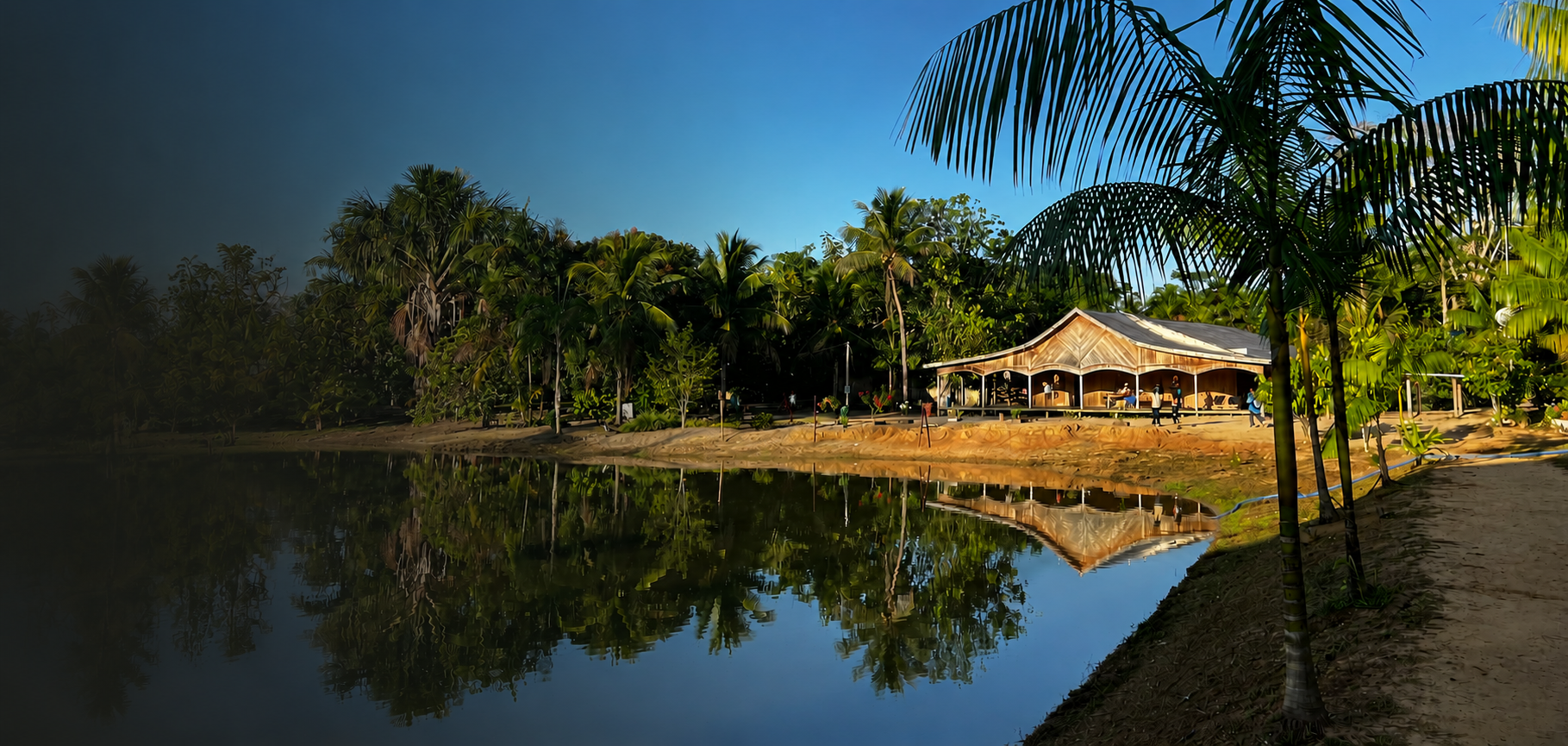
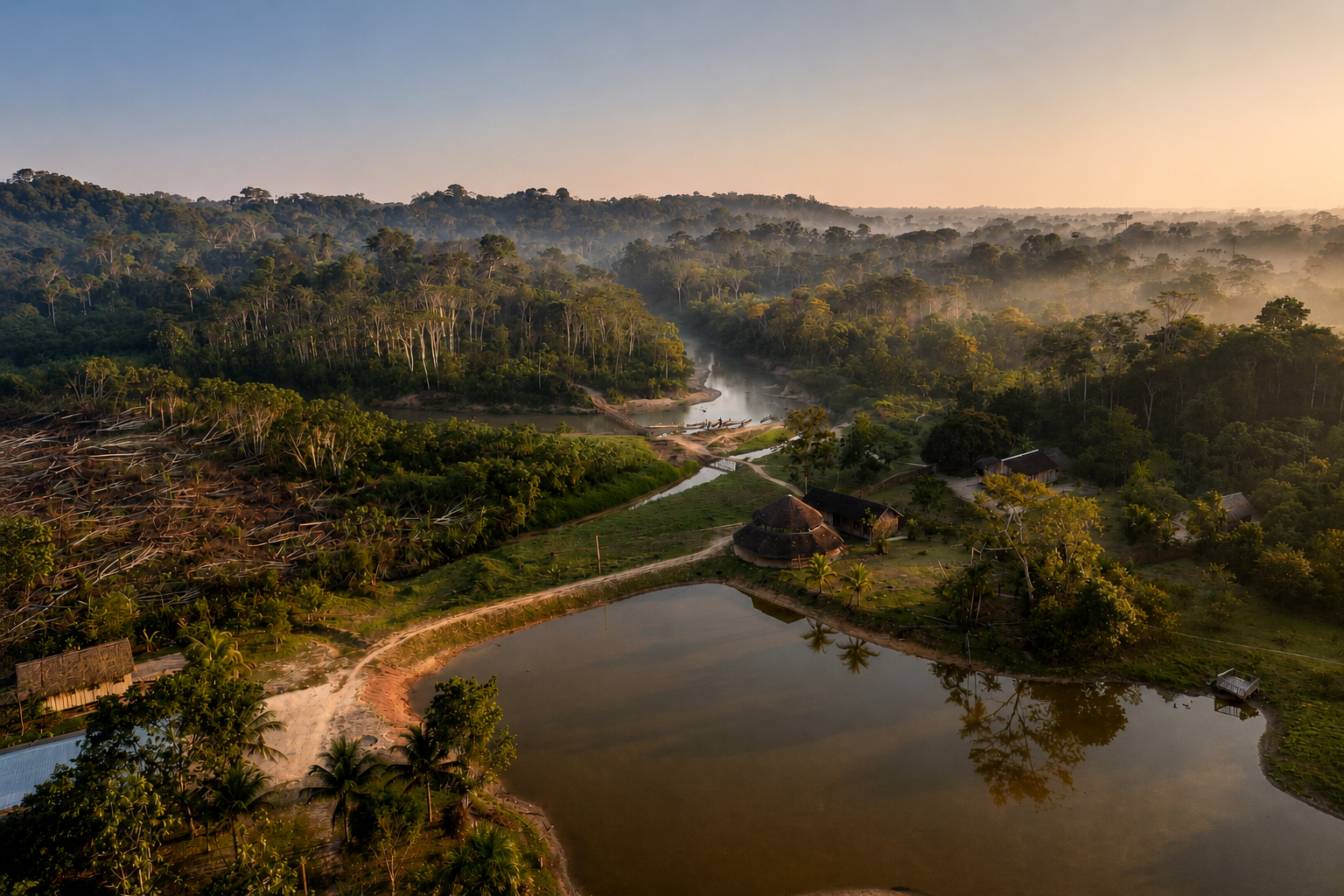
The Yawanawa live along the banks of the Gregório River, in the heart of the Brazilian Amazon. They are guardians of 187,125 hectares of Amazon rainforest, the vast majority of which remains intact. The territory was formally recognized in September 2023.
The forest is woven through the rhythms of Yawanawa life. It provides food, medicine and materials, and holds generations of knowledge about plants, animals, seasons and the relationships between the human, natural and spiritual worlds.
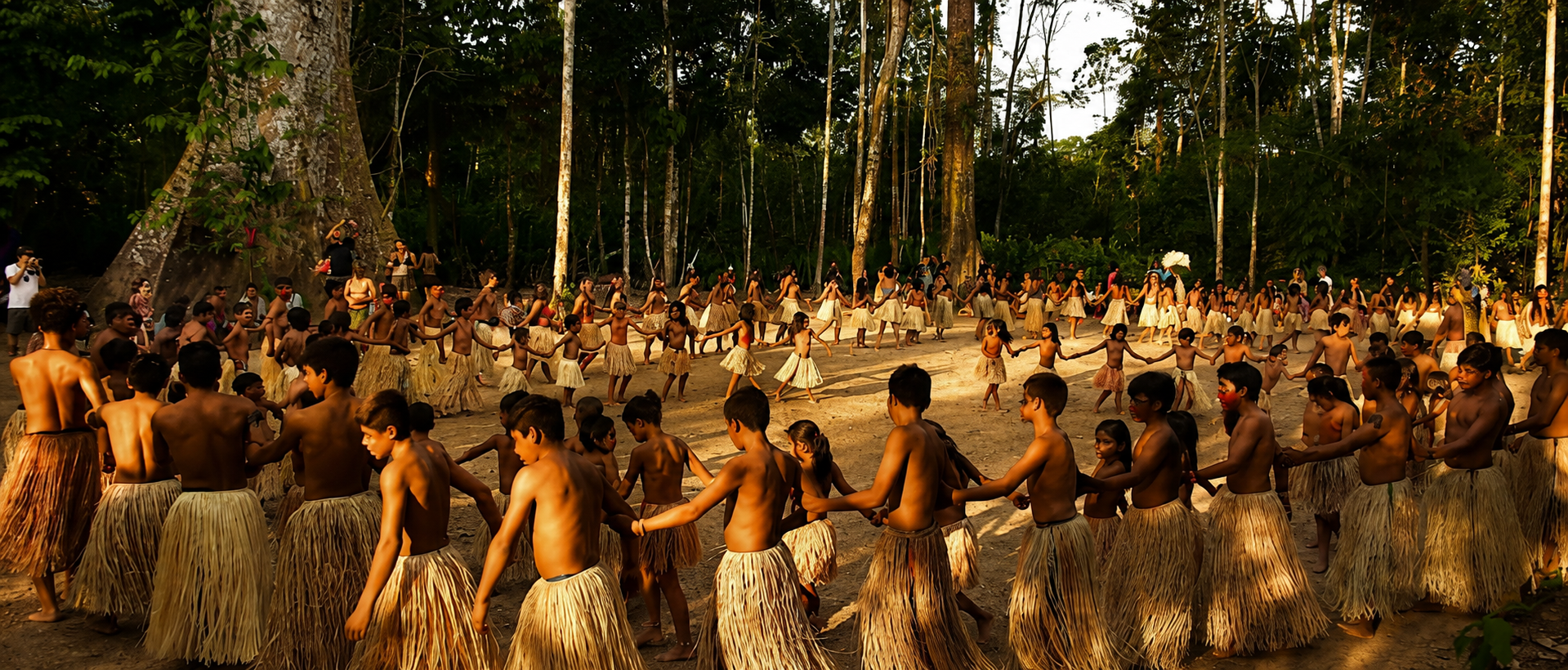
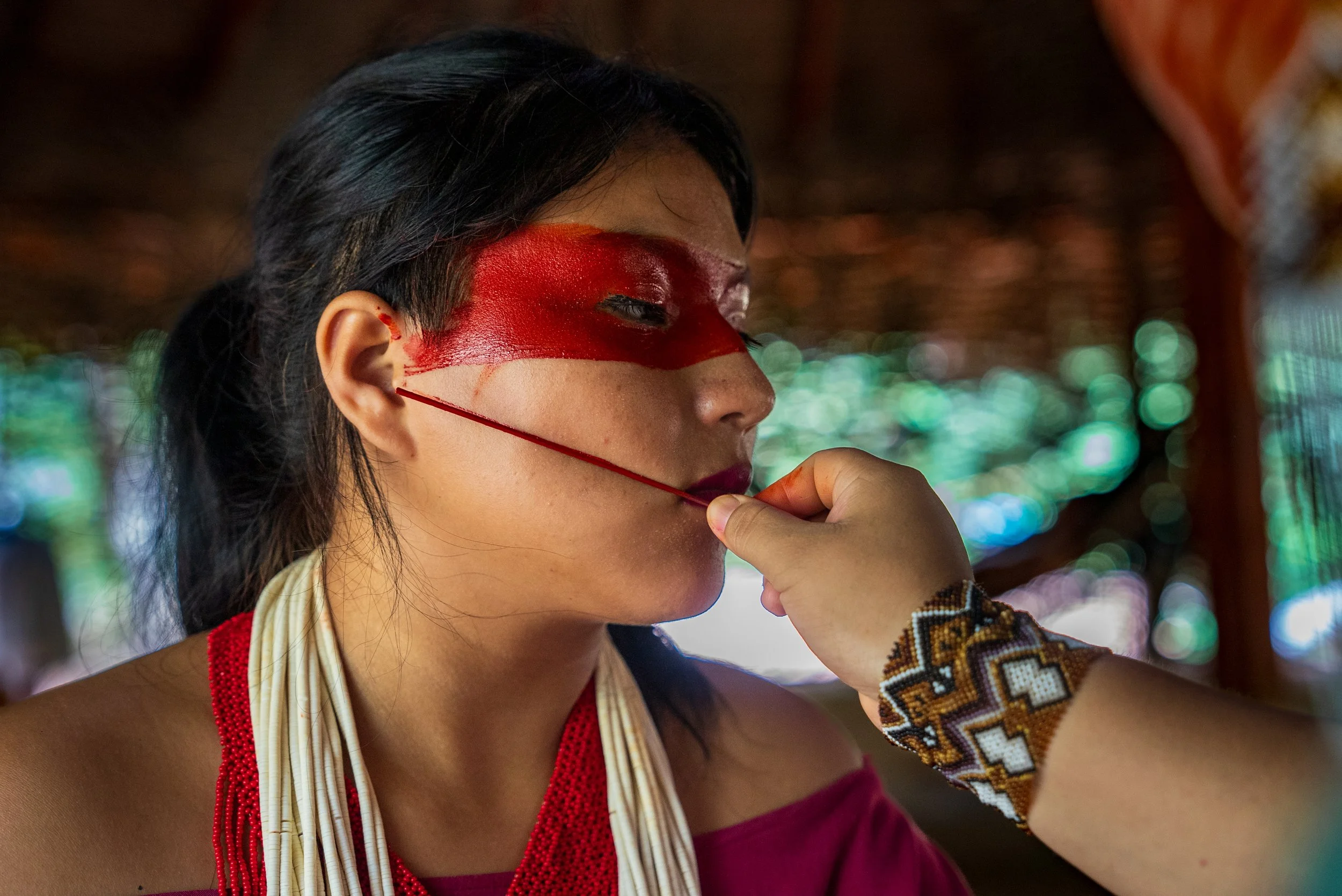
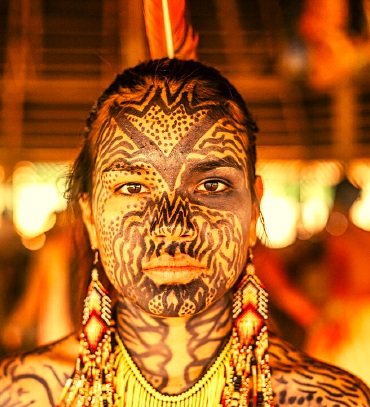
Culture is carried through community and across generations, through language, family, prayer, ceremony, art, medicine, knowledge of the forest and the teachings of elders.
This is not a culture remembered.
It is a culture being lived.

VOICES OF THE YAWANAWA
Their story, in their own words.
Hear directly from the Yawanawa about their history, their elders, their culture, and the renewal of their traditions today.
CULTURE RECLAIMED
The first contact and conflict with non-Indigenous outsiders devastated the Yawanawa population, reducing their numbers to fewer than 100 people and placing their language, spiritual traditions, and cultural knowledge at profound risk.
For decades, missionaries entered their territory and attempted to suppress Yawanawa language, rituals, and sacred practices.
In the 1980s, the Yawanawa began reclaiming control of their territory and strengthening the traditions that had been pushed underground.
What followed was not a return to the past, but a renewal of cultural identity, spiritual practice, language, and community life.
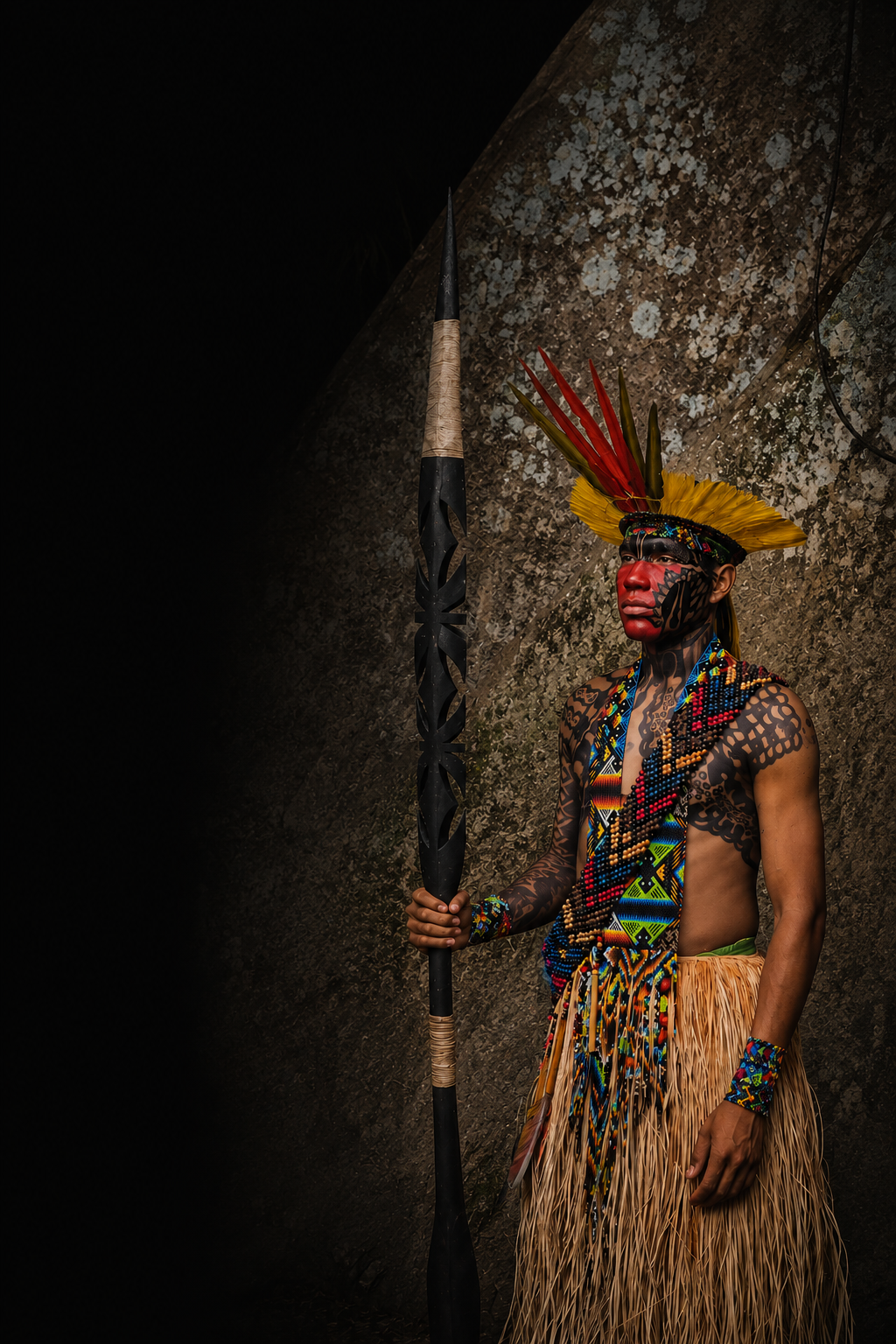
Under the guidance of elders and spiritual leaders, ceremonies, prayers, songs, art, and ancestral knowledge were brought forward again with strength and pride.
What was nearly silenced was carried forward.
What survived was not preserved in silence. It was reclaimed, practiced, and passed on.
What was nearly silenced was carried forward.
CULTURE RECLAIMED
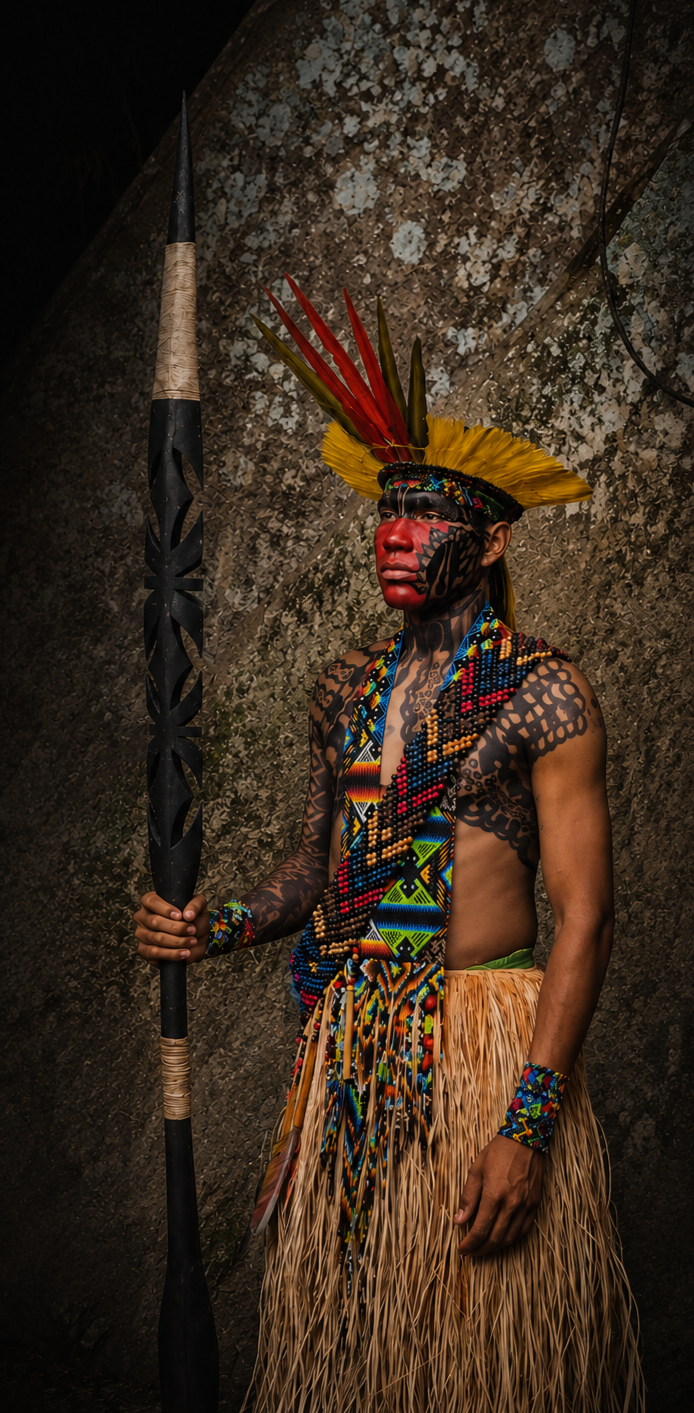
The first contact and conflict with non-Indigenous outsiders devastated the Yawanawa population, reducing their numbers to fewer than 100 people and placing their language, spiritual traditions, and cultural knowledge at profound risk.
For decades, missionaries entered their territory and attempted to suppress Yawanawa language, rituals, and sacred practices.
In the 1980s, the Yawanawa began reclaiming control of their territory and strengthening the traditions that had been pushed underground.
What followed was not a return to the past, but a renewal of cultural identity, spiritual practice, language, and community life.
Under the guidance of elders and spiritual leaders, ceremonies, prayers, songs, art, and ancestral knowledge were brought forward again with strength and pride.
What survived was not preserved in silence. It was reclaimed, practiced, and passed on.
Knowledge held across generations.
ANCESTRAL KNOWLEDGE
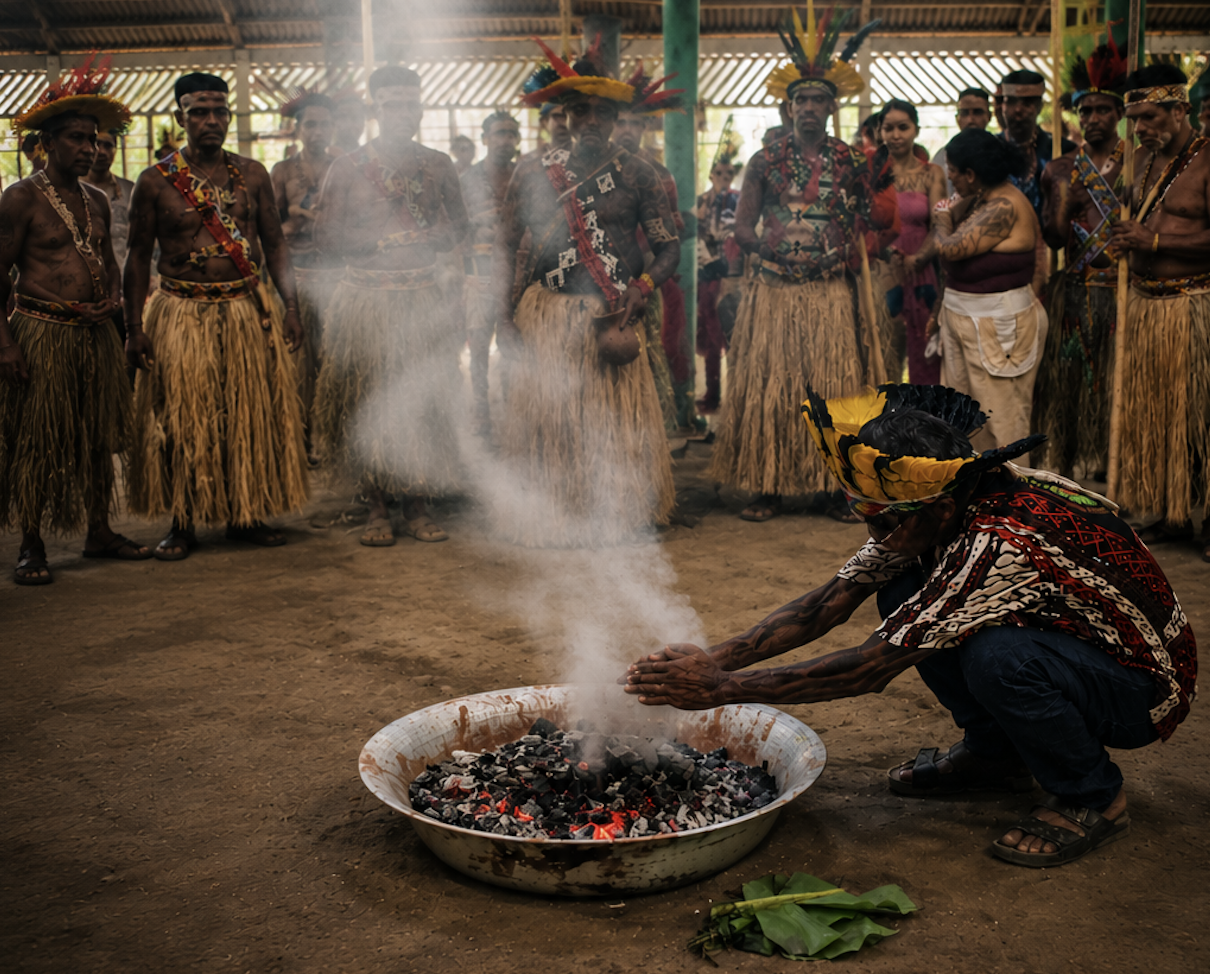
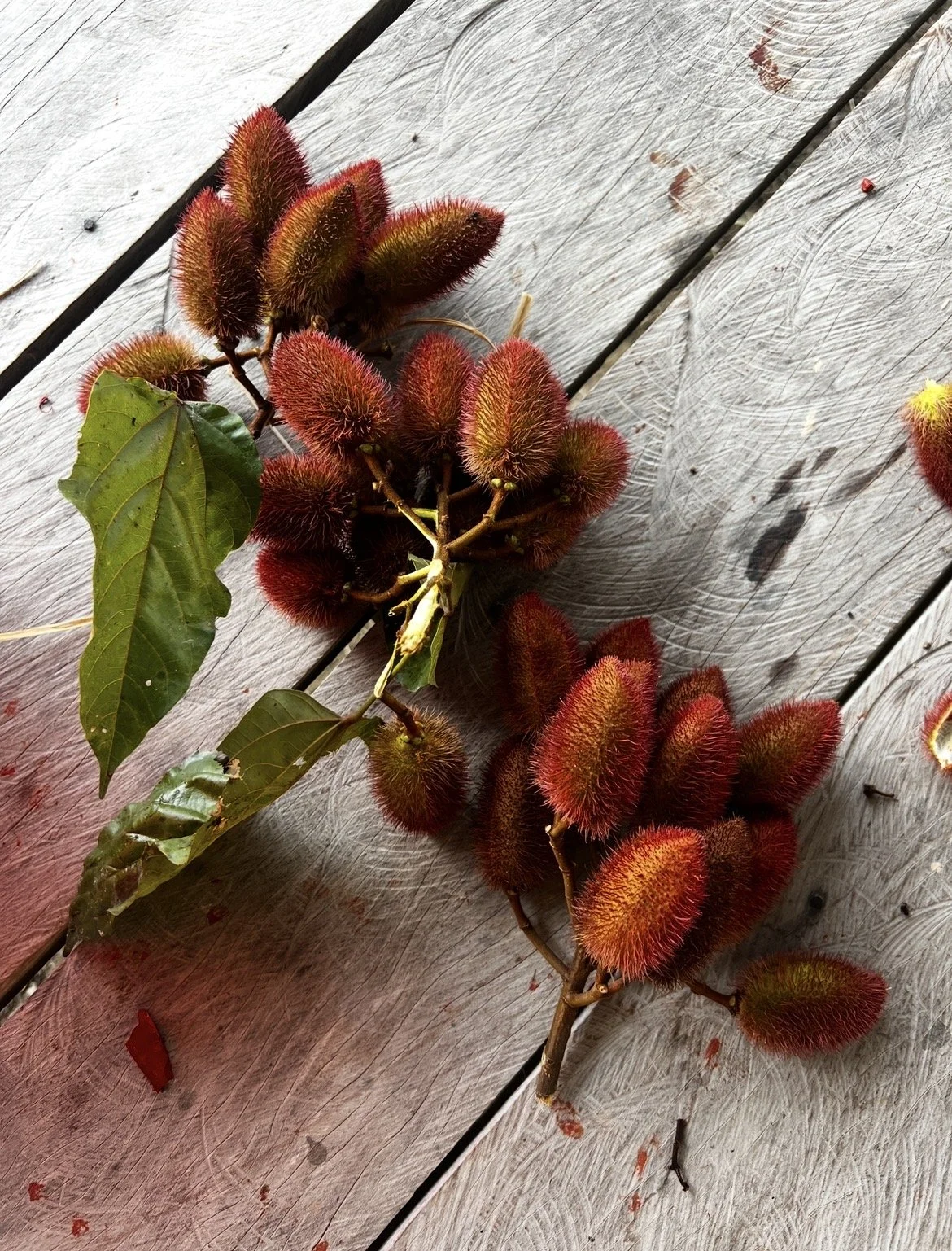
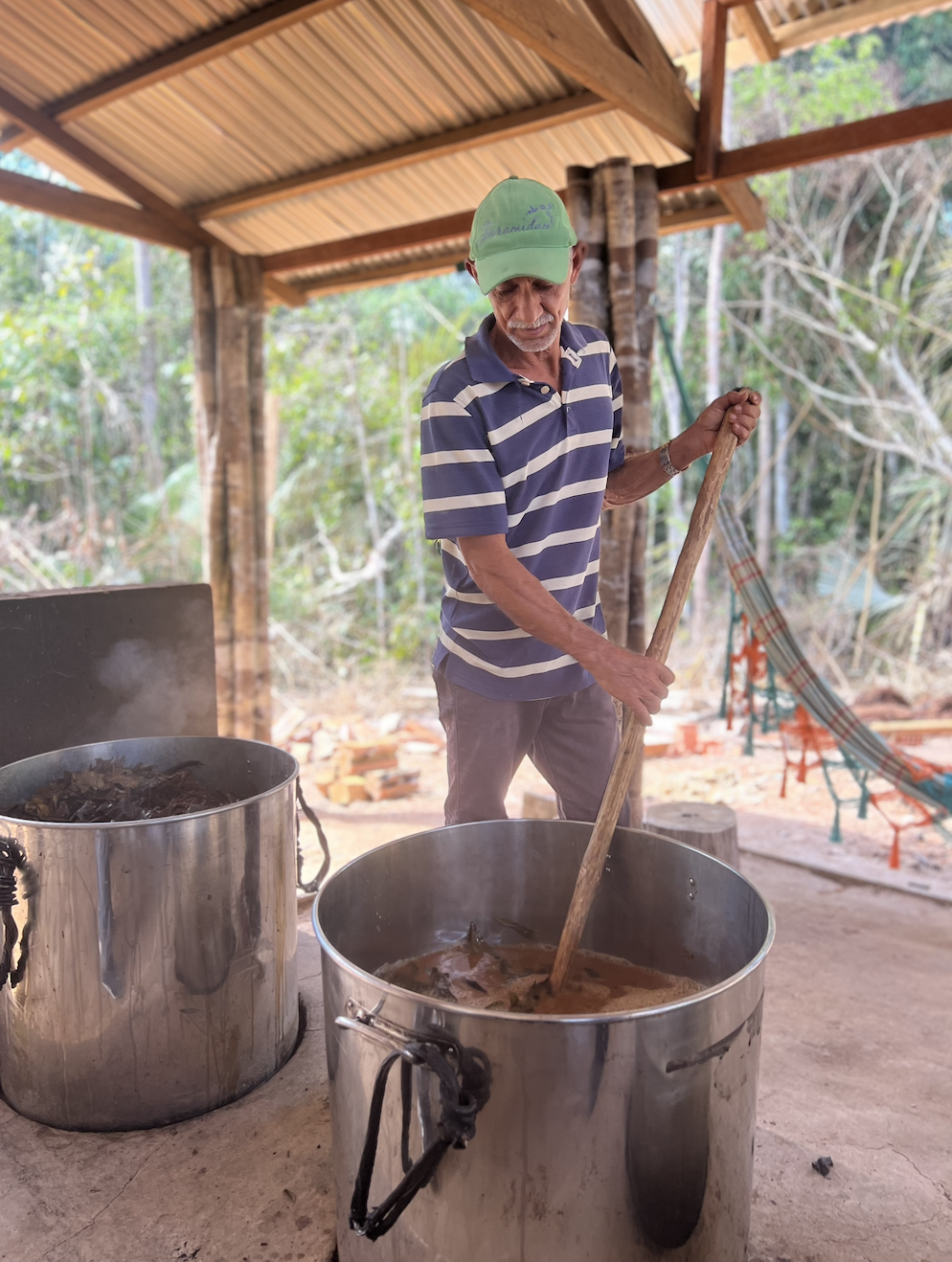
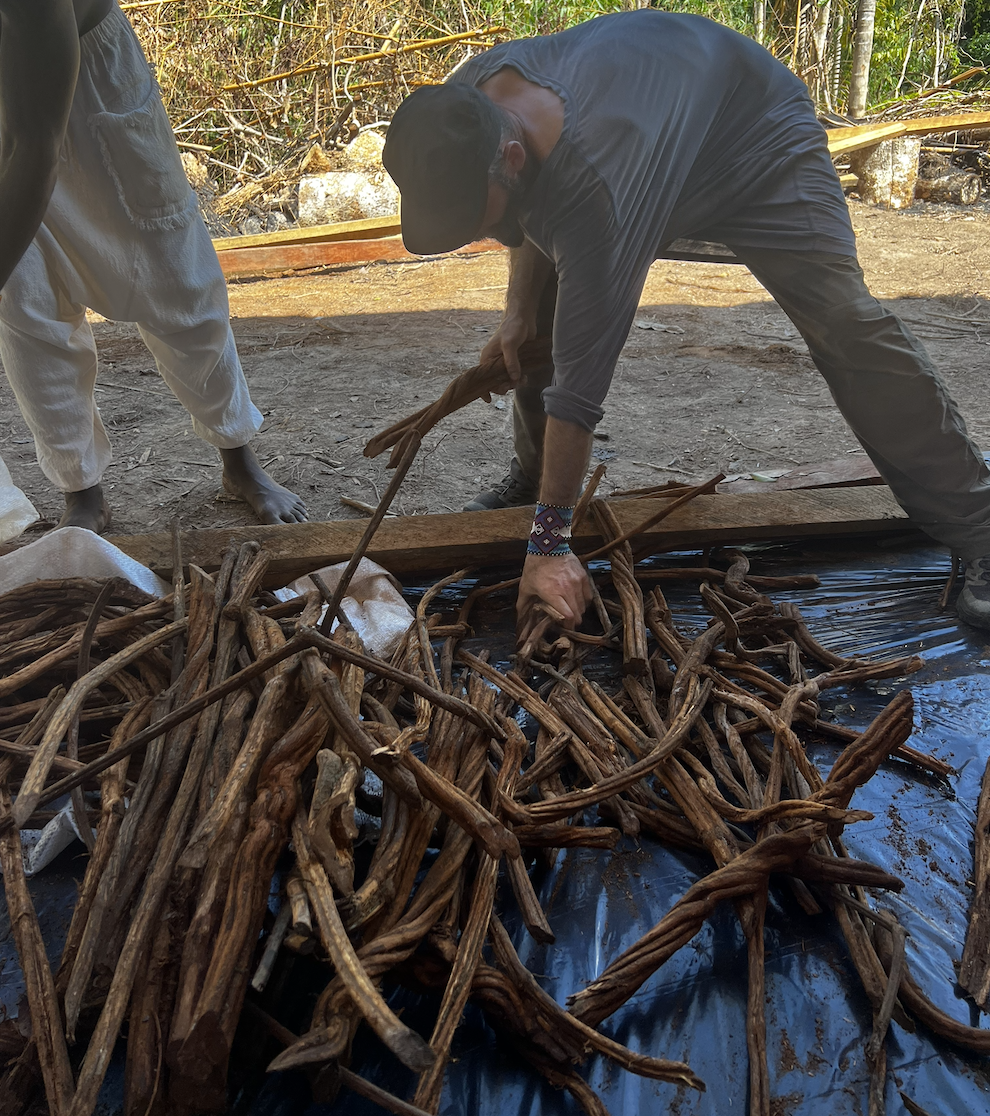
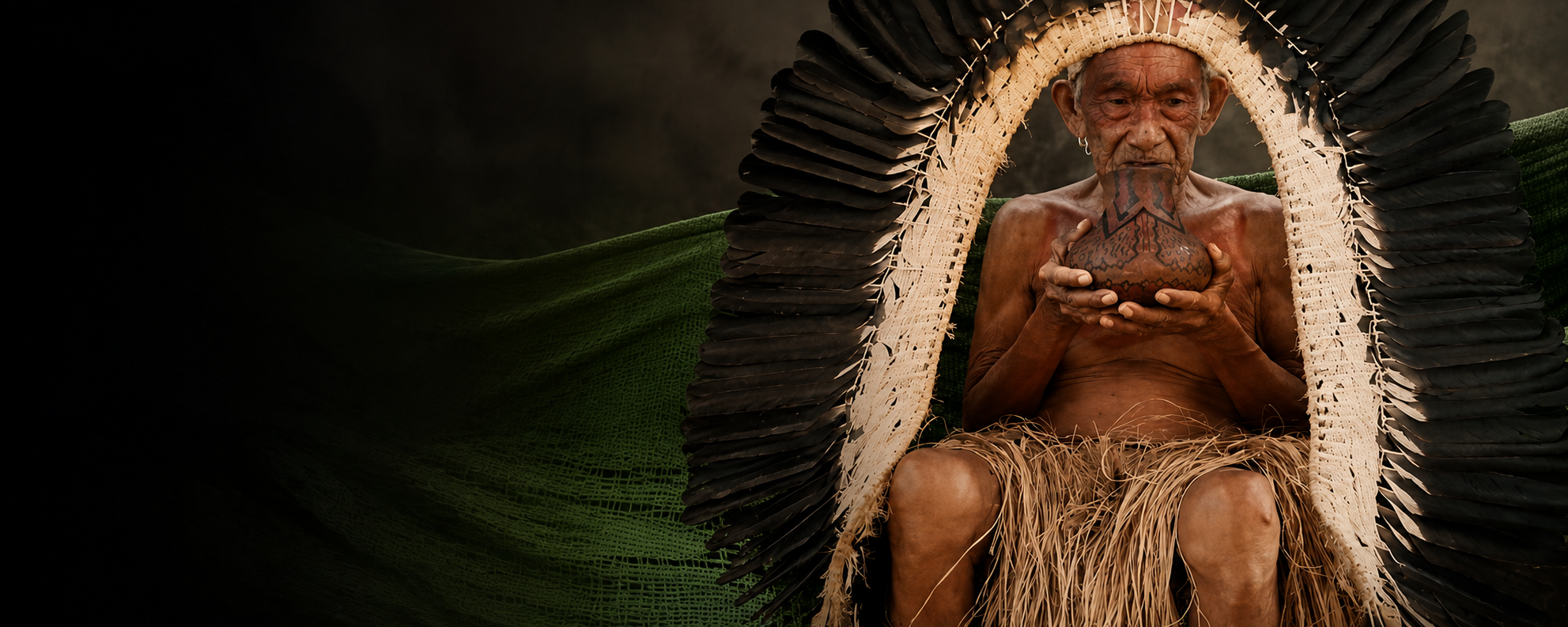
For generations, Yawanawa spiritual leaders have carried an intimate knowledge of the forest, its plants, its medicines, its prayers, its songs, and the disciplines through which that knowledge is learned.
This is not knowledge separate from daily life. It is lived, practiced, protected, and passed from one generation to the next.
Guided by elders and spiritual leaders, these traditions remain rooted in relationship with the forest, devotion to the spiritual path and responsibility to future generations.

MEDICINE •. PRAYER • CEREMONY • SONG • FOREST KNOWLEDGE

THE LINEAGE CONTINUES
The teachings carried forward.
-
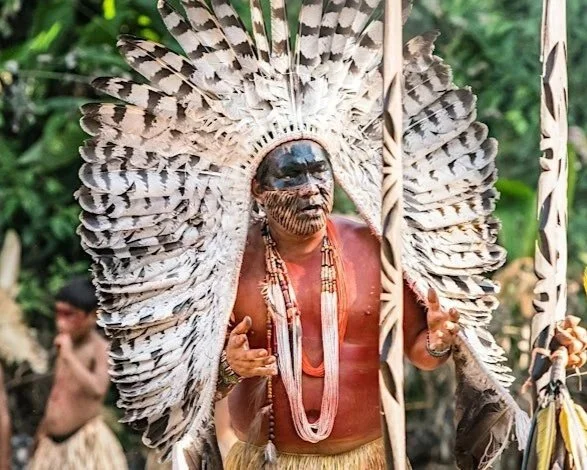
Son of the Yawanawa leader Tuikuru and student of the late Pajé Tatá, Matsini is a joint leader of Mutum and one of the spiritual leaders of his people.
Raised by Tuikuru to follow in his footsteps, Matsini studied directly with Tatá and carries a deep knowledge of Yawanawa stories, spirituality and tradition. Following Tatá's passing, Matsini took on the responsibility of spiritual healer within the village.
Today, alongside his responsibilities to the families of Mutum, he continues to guide younger generations and those who come to learn from Yawanawa culture and spirituality.
-
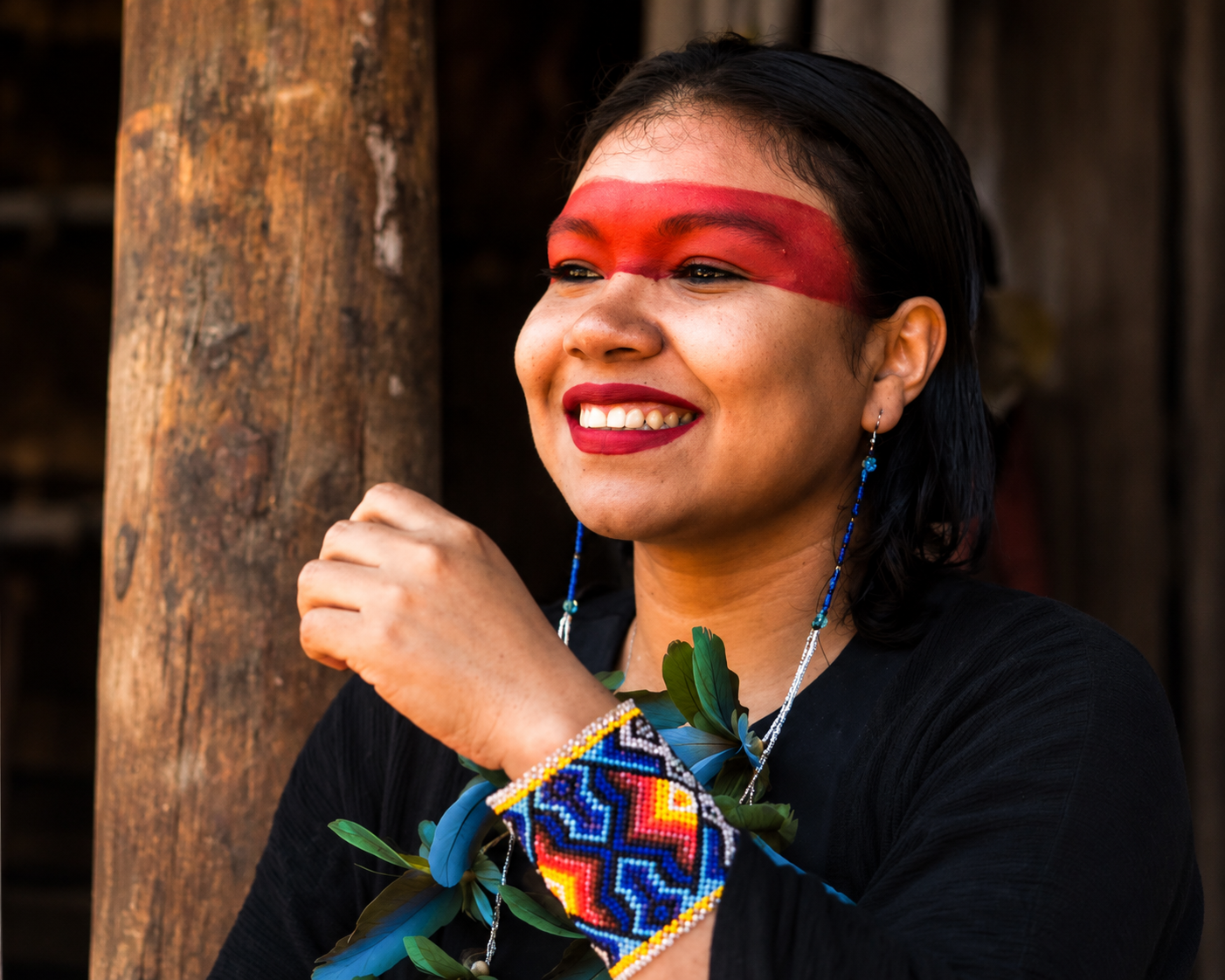
Daughter of Chief Matsini, Keneihu has undertaken many diets under her father's guidance and is in deep study of the medicine, prayers, songs and spiritual knowledge of her people.
From a young age she has been immersed in the responsibilities of leadership and ceremony.
She is a bridge between generations, learning deeply, carrying the teachings with devotion and preparing for the responsibilities ahead.
-
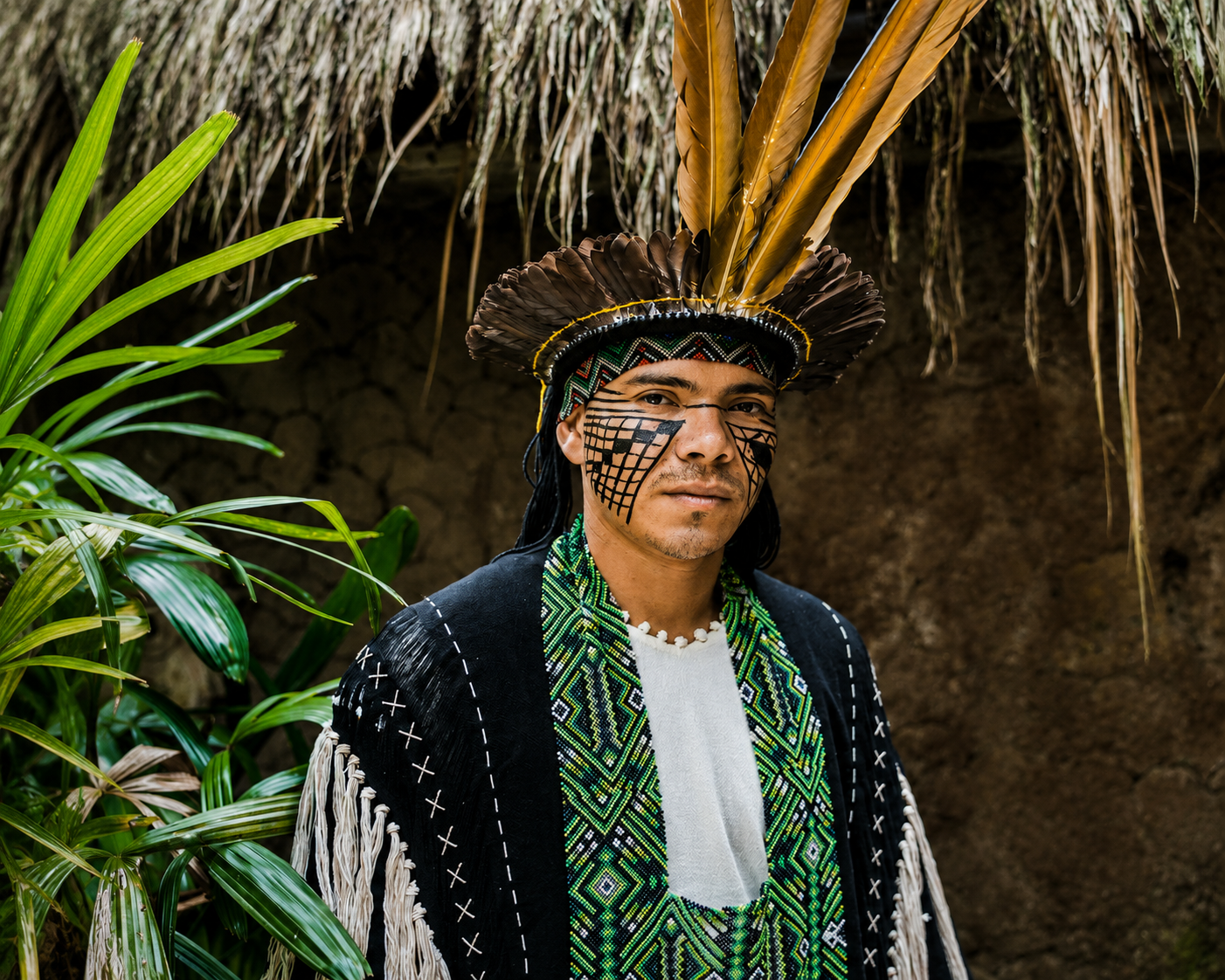
Son of Chief Nixiwaka Biraci, Wira lives in Mutum with Keneihu, his wife.
He is in ongoing study and sacred diets, deepening his knowledge of ancestral teachings, ceremony and Yawanawa spirituality.
His path is one of ongoing study, discipline and deepening relationship with the spiritual traditions of his people.